Misinformation Is Harming People and the Earth — And We Need To Call It Out
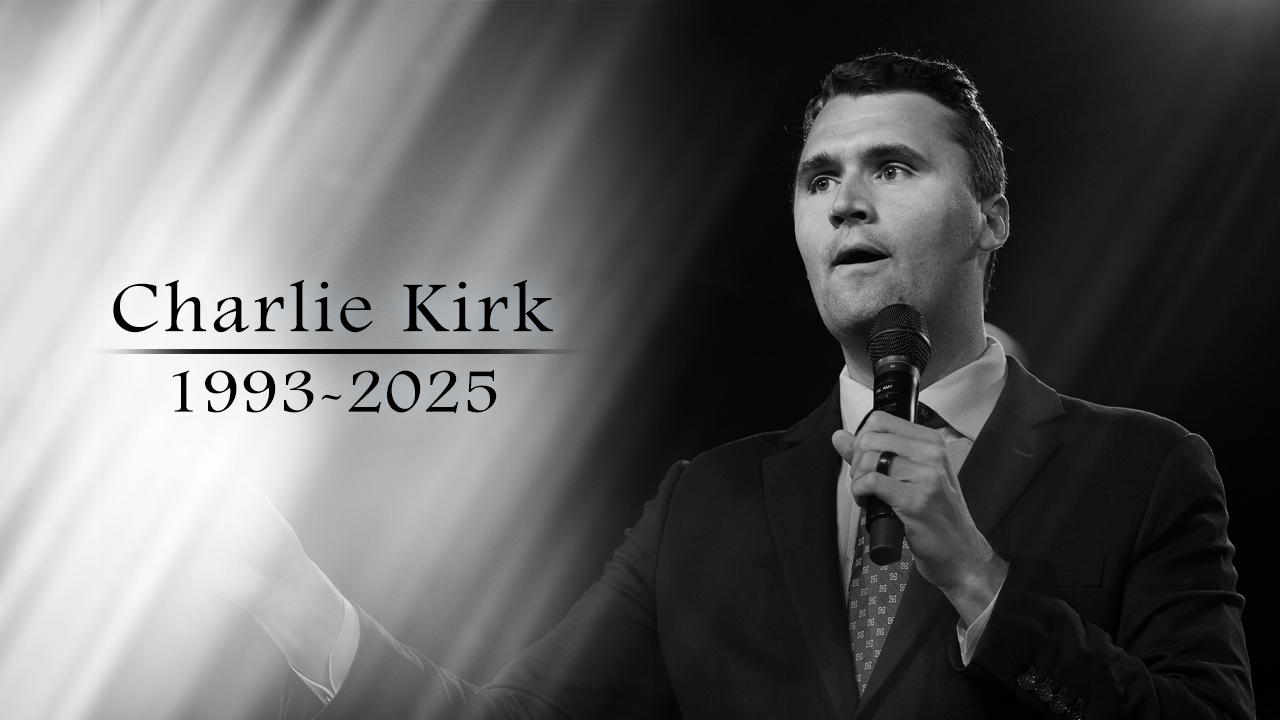
Misinformation about climate change is not just noise on the internet. It shapes votes, delays policy, and costs lives. I believe this strongly because the evidence is everywhere, from wildfire smoke to heatwaves. Influencers who spread denial play a major role in this harm. That includes Charlie Kirk. He built a large audience, and with that platform he amplified ideas that undermine climate action. Charlie Kirk climate denial is not an abstract debate. It has consequences for real people and for the planet.
Climate denial has evolved. It is less about saying the earth is not warming and more about casting doubt on causes and solutions. You hear lines like, climate change is a hoax, or a tool for control, or a new religion. Those ideas travel fast on social media and talk shows. They stick because they tap fear and identity. But they are still wrong, and when they win, communities lose.
How climate misinformation works and why it spreads
Climate misinformation and disinformation thrive in three spaces. The first is the influencer economy. Large podcasts and video shows reach millions every week. Many repeat false frames about climate science, renewable energy, and public policy. The second is platform design. Algorithms reward outrage and novelty more than accuracy. That makes clicky myths spread faster than careful explanations. The third is organized messaging. Industry groups and political actors seed narratives that confuse the public and stall regulation. People share those posts because they match their tribe, not because they are true.
The result is a fog that slows everything. If you do not trust the problem, you will not support solutions. If you think solar and wind are scams, you will not vote for clean grids. If you are told scientists are lying, you will tune out heat warnings and smoke advisories. That is how misinformation moves from screens into hospitals and courtrooms.
Charlie Kirk climate denial, in his own words
Charlie Kirk used a big microphone. He has called climate change a hoax in Turning Point USA content and framed climate activism as a Trojan horse for control. He told his audience that climate change is the wrapper around Marxism, with pseudo pagan vibes. He platformed videos that said there is no evidence of global warming or that scientists do not know the cause. These claims are false. They also match a playbook. Step one, attack scientific consensus. Step two, smear solutions as power grabs. Step three, create doubt so nothing changes.
Some will say, it is just opinion. It is not. When a trusted figure repeats these lines, listeners take them as cues. That shifts beliefs about risk. It changes how people vote, what policies they tolerate, and which warnings they ignore. The cost is borne by everyone else, including people who never listened to a single episode.
Here are five on-record quotes from Charlie Kirk spreading climate misinformation, with sources:
- “Climate change is the wrapper around Marxism… Climate change activism, environmentalism, pseudo-paganism — we call it a Trojan horse, a wolf in sheep’s clothing.” Media Matters for America
- “Science says nothing. Scientists say things… Global warming does not have consensus like the second law of thermodynamics.” Media Matters for America
- “For climate change environmentalists, ‘not a single one of their predictions ever come true.’” PolitiFact
- “They changed it from global warming to climate change… because there was no factual data to back up their argument. Real scientists are still debating whether CO₂ or solar sunspots or natural variability cause global warming.” Science Feedback
- “The science is not solid. The science is debated… The built-in premise of the climate hoax is carbon is bad. OK, well, carbon is life, actually… Don’t plants thrive on carbon dioxide?” Media Matters for America
The human cost you can measure
You can measure the harms tied to the climate crisis today. Wildfire smoke raises emergency room visits and deaths. Long term exposure to fine particulate pollution from fires increases mortality from heart and lung disease. Extreme heat does the same. Studies show joint effects from heat and smoke that drive hospitalizations higher than either hazard alone. These are not distant projections. They are current public health burdens, and they hit harder in low income neighborhoods and for people with chronic conditions.
When denial delays action, those burdens grow. More warming means more intense heatwaves and longer fire seasons. It means more PM2.5 in your lungs, more days where outdoor workers face dangerous conditions, more families balancing rent against an air filter. These costs are not distributed evenly. Kids, seniors, and people with asthma or cardiovascular issues pay more. That is why claims that minimize the problem are not harmless speech. They shape exposure and risk.
The environmental cost you cannot ignore
Climate denial does damage beyond human health. It slows the transition off fossil fuels. It undermines conservation, because a public that doubts the crisis is less willing to pay for protection. It keeps outdated infrastructure in place. It also feeds greenwashing. If the audience is primed to believe that everything is a scam, then companies can sell minor efficiency tweaks as bold action. That pushes real decarbonization further out of reach.
Attribution science now links emissions to specific impacts with increasing confidence. Researchers can connect the probability and intensity of heatwaves to fossil fuel pollution. As that science tightens, the moral weight of misinformation grows. It is not just confusion anymore. It becomes cover for harm that can be traced.
Why people buy the lie
People are not stupid. They are busy. They trust voices they already like. Misinformation works because it feels simple and affirming. It tells you that the problem is fake, that the costs of action are too high, or that elites are lying to you. That gives relief and a clear villain at the same time. It also avoids the headache of trade offs. Real climate work is full of trade offs. Denial lets you skip them.
The fix is not to shame people. It is to make truth easier to hold than lies. Prebunking, also called inoculation, helps. You show common tricks like fake experts, cherry picked graphs, and conspiracy flips, before people see them in the wild. Corrections work better when they explain the tactic, not just the fact. Local messengers matter. Health workers, faith leaders, and weathercasters can connect risk to daily life in a way that a stranger on a podcast cannot.
How to push back, starting now
Start with your circle. Share sources that show how climate risk affects health, jobs, and home budgets. Talk about smoke days, heat advisories, and insurance premiums. Keep it concrete. Ask questions instead of dunking. If someone repeats a denial line, try, what would change your mind, and then offer a specific test.
Support systems that reduce harm right away. Clean indoor air is public health, not politics. Portable air cleaners, MERV 13 filters, and smoke maps save lives. Cooling centers and heat plans do too. Push leaders to fund them.
Back policies that cut emissions. Clean power standards, building codes, heat pump incentives, transit investment, and forest resilience all help. If you work in a company, ask for a real transition plan with timelines and scope 3 emissions. If you invest, ask your fund to show how it votes on climate resolutions.
And keep learning. Our site, climateofdenial.net, exists to track false claims and explain the science in plain language. If you want a playful entry point that still teaches, try our short read on the power of simple visuals, Plastic and Irony: Using Minifigs to Talk About Climate. If you want to connect policy to outcomes, see How Will Trump’s Policies Impact Climate Change?.
A note on accountability and tone
We should be clear and firm about false claims. We should also be human. Anger can be honest, but it should not become cruelty. The goal is to reduce harm and win durable change. That means we focus on ideas and impacts, not on cheering when bad things happen to people. I oppose violence. I support truth and policy that saves lives.
Conclusion
Climate misinformation costs time, and time is everything in a warming world. Charlie Kirk climate denial did not exist in a vacuum. It echoed through channels that reach millions and make denial sound brave and clever. It is not. It is wrong and it is harmful. We owe it to our neighbors to call it out, replace it with clear facts, and back the work that cuts risk now. Keep your compassion, hold the line on truth, and do the next right thing where you live.